
Beyond traditional bank credit, more entrepreneurs are using leasing to fund growth—especially for vehicles, machinery, and equipment.
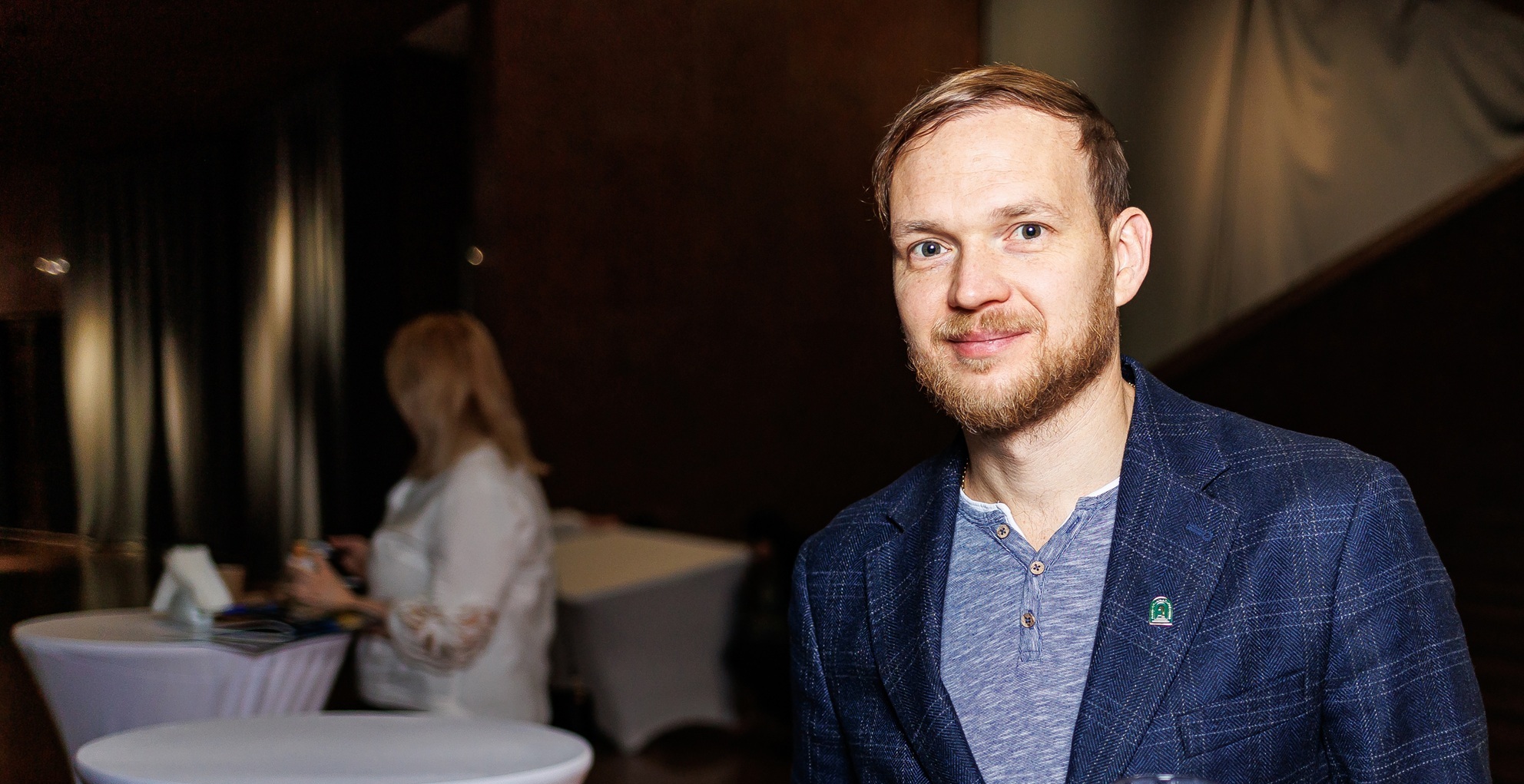
Axisleasing Director Andriy Fomin explains when leasing can beat a loan, how SME demand is changing, and why service and speed are now decisive advantages.
When leasing beats a bank loan
When is it better for a business to go to a leasing company instead of a bank?
Leasing wins when speed matters. It may look more expensive than a bank loan on paper, but once you add the time it takes to get bank financing and the profit lost in the meantime, the result is often similar.
Leasing is primarily a way to fund fixed assets—especially transport, equipment, and machinery. Unlike a bank, which usually just disburses money, a lessor can offer a full package, from funding to after-care around the asset—essentially a full ecosystem for the client.
In that model, client assessment is less rigid and decisions are much faster, including through scoring that manages risk in real time. Leasing also removes a large share of admin from the business: the finance company can handle purchase, registration, insurance, and maintenance.
What does approval look like, and how do leasing and bank terms differ overall?
Fast pre-approval is a core part of a modern lessor. Our clients can get a decision within 60 minutes—using only the company’s USREOU code. We say upfront whether we can work the case, and only then move to documents and closing. That saves businesses from long formal steps with no clear outcome.
If you compare only interest rates, a bank loan can look cheaper. With a full picture, the difference shrinks. A leasing payment already bundles insurance (comprehensive and third-party) for the whole term, registration, contributions to the pension fund, and claims handling.
Leasing works like a constructor: you can add service, tyre replacement and storage, and other options.
It also matters how costs fall over time. With a bank, on top of the down payment, clients pay for annual insurance (comprehensive and motor TPL), registration fees, and car-related taxes—significantly higher upfront. A year later, the annual insurance repeats. In leasing, these are usually folded into the monthly payment, spreading the load and protecting liquidity. For most clients, insurance within leasing is the better deal.
Why Axisleasing focuses on SMEs
Your company highlights SMEs. Why target a segment many banks see as higher risk?
Focus on SMEs is a deliberate choice. A portfolio of hundreds of smaller companies is more resilient than dependence on a few big borrowers. My experience in the 2009 and 2014 crises confirmed that.
SMEs also value speed and service. Large firms may wait months for the lowest rate, but a small business often needs a decision “yesterday”—and an insured, registered asset it can use immediately.
We have simplified the journey as much as we can: automated applications, help with documents, and on-site work when needed. Businesses feel that support—and that is what SMEs will pay for.
Is there room for leasing to grow in the SME segment?
There is huge headroom. In auto leasing, the cycle never stops. People do not keep cars for twenty years; they are used to changing them.
The average lease term is now about two to three years.
When it ends, the business owner is back in the market for new equipment. The war has also created new business lines—veteran support, logistics, and more. Demand keeps refreshing. The Ukrainian leasing market grows every year, and we feel that momentum.
Which industries do your clients most often come from?
Today, agriculture and trade account for the largest share of our portfolio. Food production and logistics are also very active.
By size, we mostly see micro- and small businesses. Needs vary: farmers take specialised or premium cars for management; retail and food businesses use small commercial vehicles for delivery; logistics uses tractors and trailers.
How leasing helps clients scale
Which programmes are the flagship products at Axisleasing today?
I would not single out one product—we work as a system. The state “5-7-9” programme, where we are a partner, is on everyone’s radar. We also offer 0% down leasing: a complex product, not for everyone, but we can extend it to financially stable clients.
Joint programmes with importers and dealers work very well: Toyota, Renault, and the Stellantis group (Peugeot, Citroën, Opel, Jeep). With supplier support, we can beat typical market terms.
We are also proud of leasing for small farmers on Turkish and Chinese tractors (Armatrac, Basak, Tumosan, and others) using our “50/50” product. For example, the farmer pays 50% as a down payment in February, then has zero payments for eight months—we align with the agricultural cycle: sowing, spending, and income in August. Then they pay 49% of the principal, and 1% rolls to the next year. It is built around the farming calendar.
Another focus is “turnkey” products—for example, financing solar plants and industrial battery storage.
Thanks to direct equipment imports and an in-group design-and-build business, the client gets a complete solar system without extra operational pain. The business does not have to become an energy expert—the solution provider takes every stage, which is simpler and more economical.
Can you give examples of clients who scaled with your help?
One stand-out case is a craft bakery near Kyiv. When we started, they had equipment but no delivery fleet and almost no revenue, although contracts with big retailers were already in place. We financed the first vehicle with 20% down. Today she runs a four-vehicle fleet, opened a new line, and supplies frozen bread to Canada—a true startup that grew in front of us.
Another is a microgreen grower who moved production underground for safety. They needed a special vehicle to deliver. We found used stock on the domestic market; the business is growing and the product is on major supermarket shelves.
Bottom line: clients turned down by banks can still come to us.
We do not finance people with open problem loans, but every case is unique. Sometimes a bank “no” is due to temporary circumstances—such as the war—when the person could not pay. If the debt is restructured or repaid, we can take a human view.
You also offer sale and leaseback to unlock working capital. How popular is that now?
Sale and leaseback is in high demand. The client sells us movable property—a combine, tractor, excavator, or bus—receives cash (value minus a down payment), and we lease the same asset back. It is an effective way to top up working capital.
For example, a Vinnytsia intercity “Ukraine–Poland–Ukraine” operator needed another bus. We did sale and leaseback on a bus already on the line; handover took ten minutes while passengers boarded. Operations did not stop, and the client expanded the fleet.
It is also popular in farming—often for seasonal sowing and fertiliser. The asset can be used: the oldest we took back dated to 2012.
Growing the portfolio to a billion
You started around UAH 30 million in the portfolio; now you are over UAH 203 million. How did you scale so fast?
First, the team. We have 17–18 years of market experience and we know how and where to find the right client. Second, a tailored approach. While others wanted mountains of paper, we were already funding assets.
Most of that growth was in the Kyiv region, but we now see major potential in western Ukraine, where many businesses have relocated.
You aim for a UAH 1 billion portfolio. How will you get there?
We aim—not just wish—to hit that target within about three years. At today’s market sizes, that would put us in the top ten, maybe top five, leasing companies in the country.
We are expanding the regional footprint. We are not opening classic branch offices; we work through representatives. Lviv and Odesa are already live. Next, Dnipro, Khmelnytskyi, or Vinnytsia. Our trajectory makes the billion hryvnia mark realistic.
Source: Forbes.ua